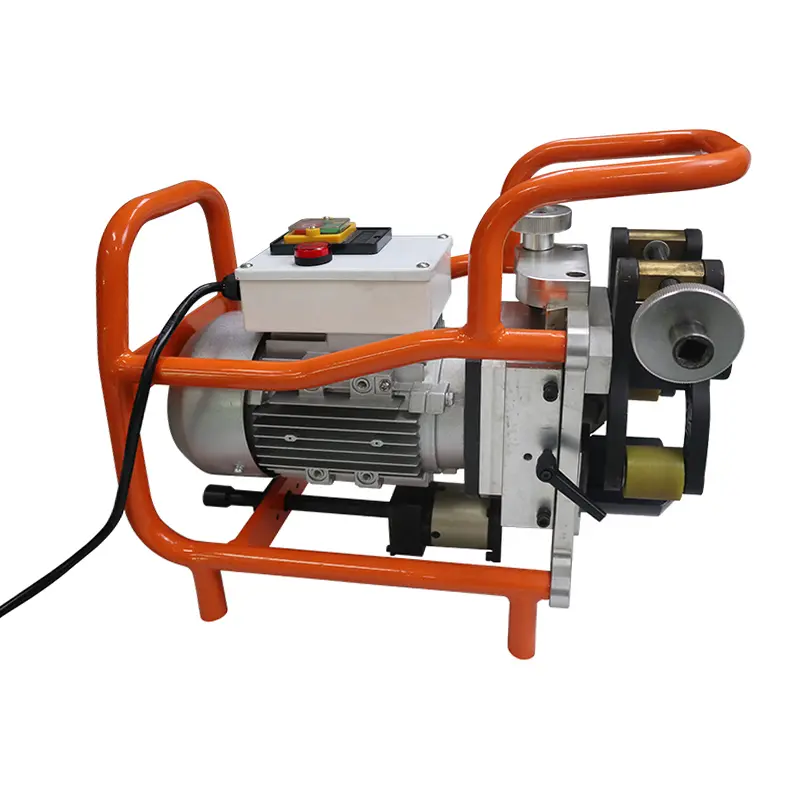
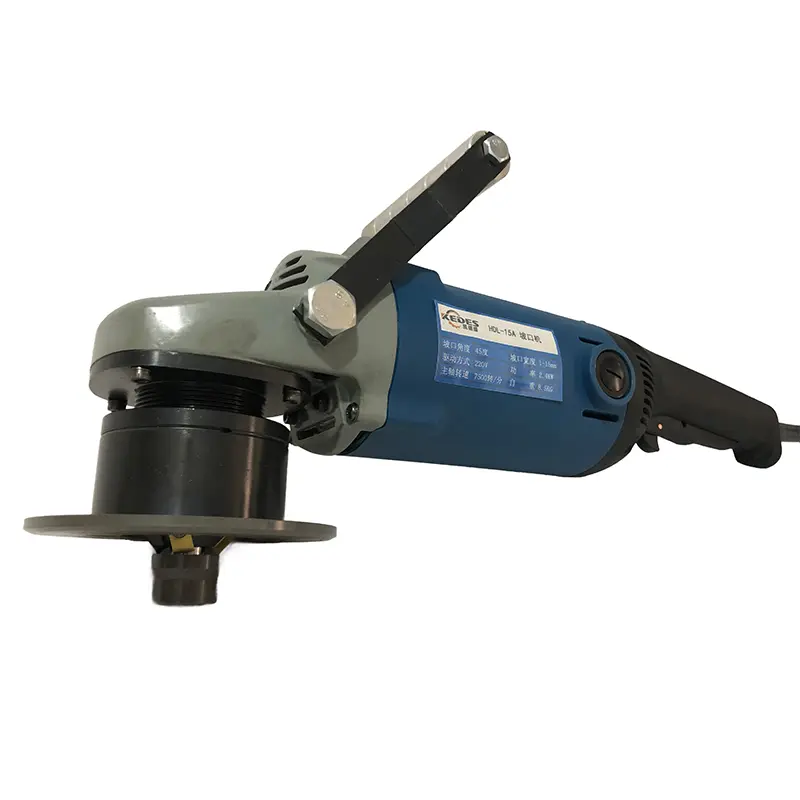
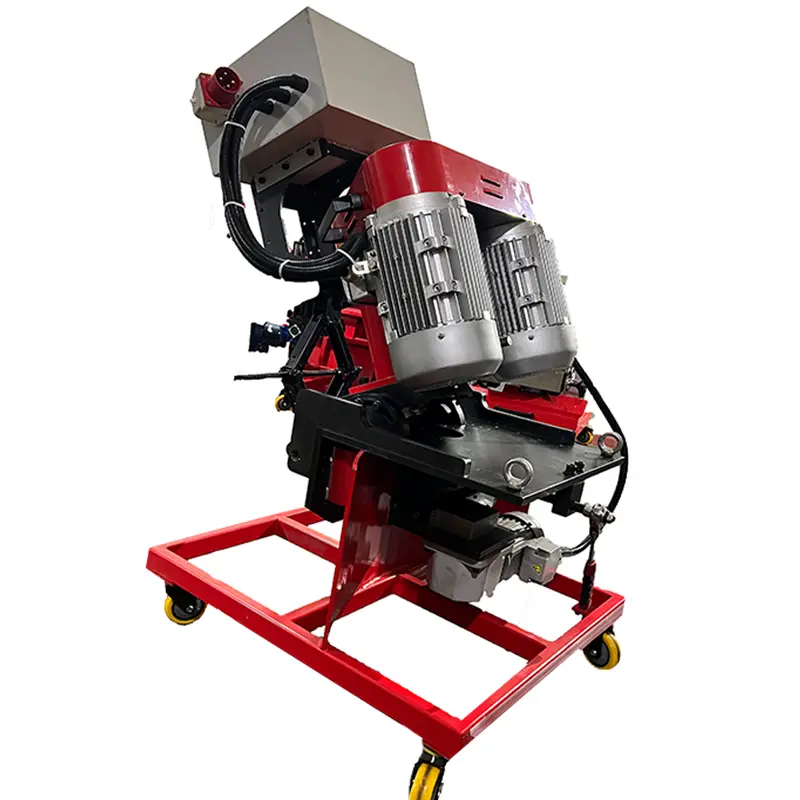
What Is a Pipe Beveling Machine?
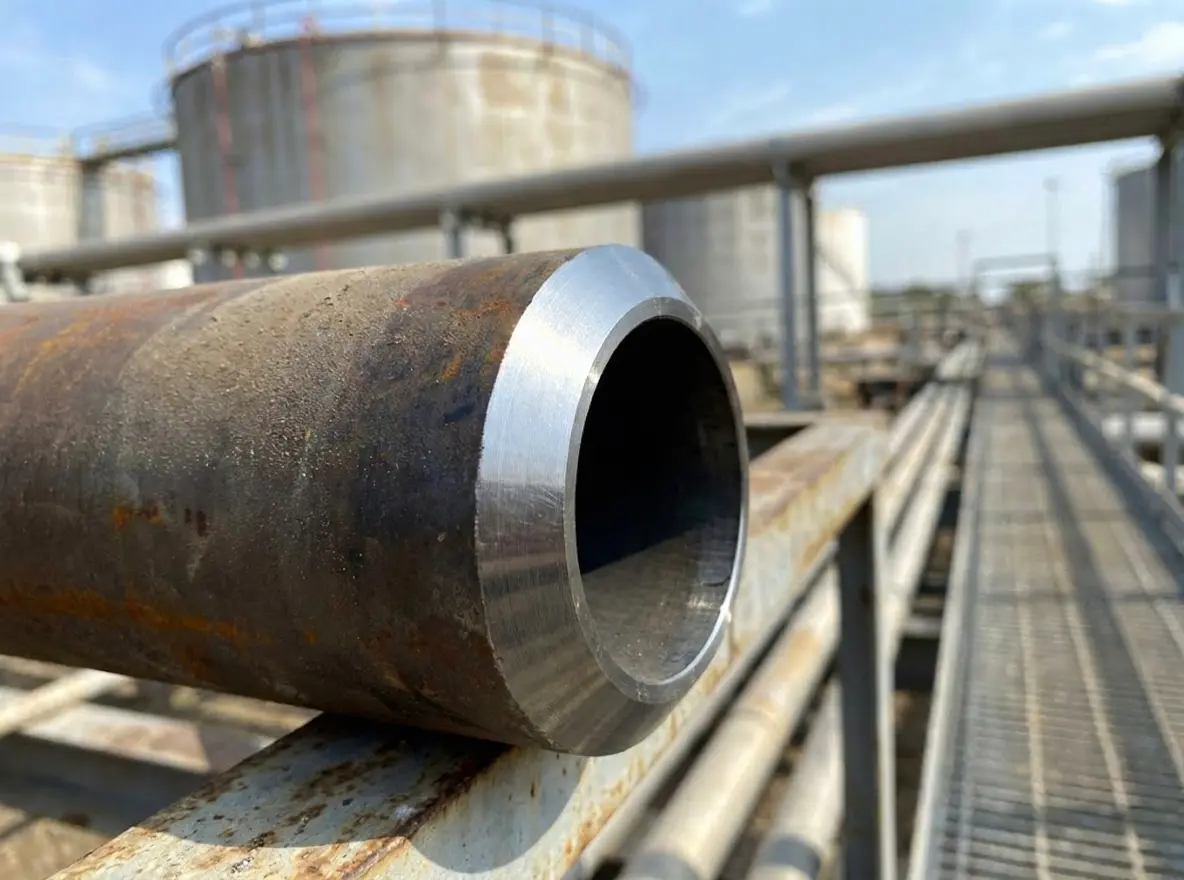
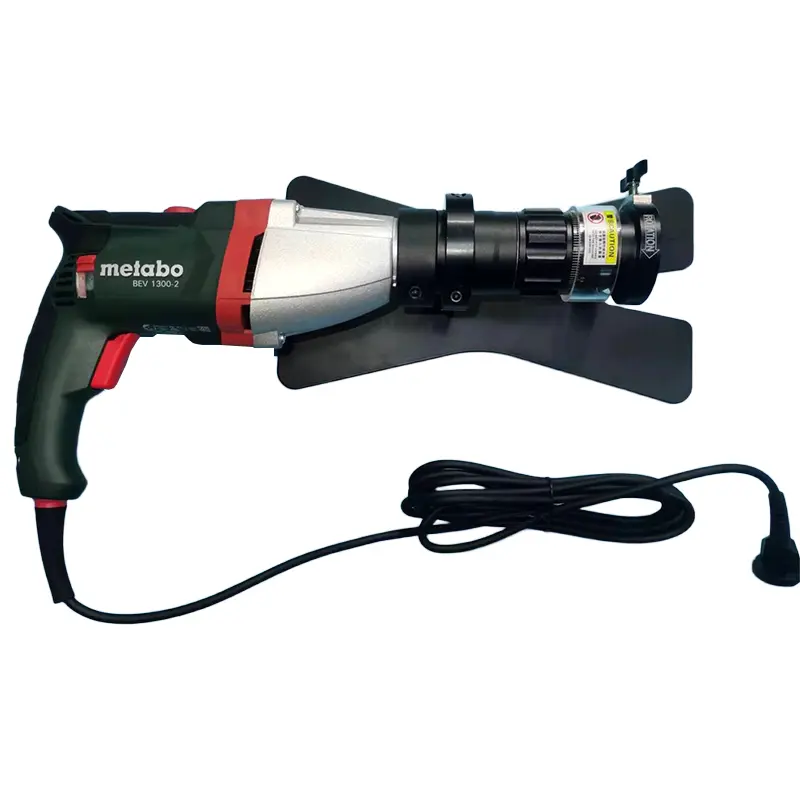
A pipe beveling machine is a precision tool that machines an angled cut — called a bevel — on the end of a pipe to prepare it for welding. The bevel geometry (angle, root face, and surface finish) directly determines weld quality, and welding codes like ASME B31.3, AWS D1.1, and API 1104 specify strict tolerances that manual methods (angle grinders) rarely achieve consistently.
Modern pipe beveling machines use cold cutting — mechanically removing metal with carbide or HSS tool bits — which produces no heat-affected zone (HAZ), no sparks, and no oxide contamination. This is critical for alloy steels (P91, duplex, Inconel) and environments where hot work permits are restricted.
Types of Pipe Beveling Machines
Choosing the right machine starts with understanding the four main categories:
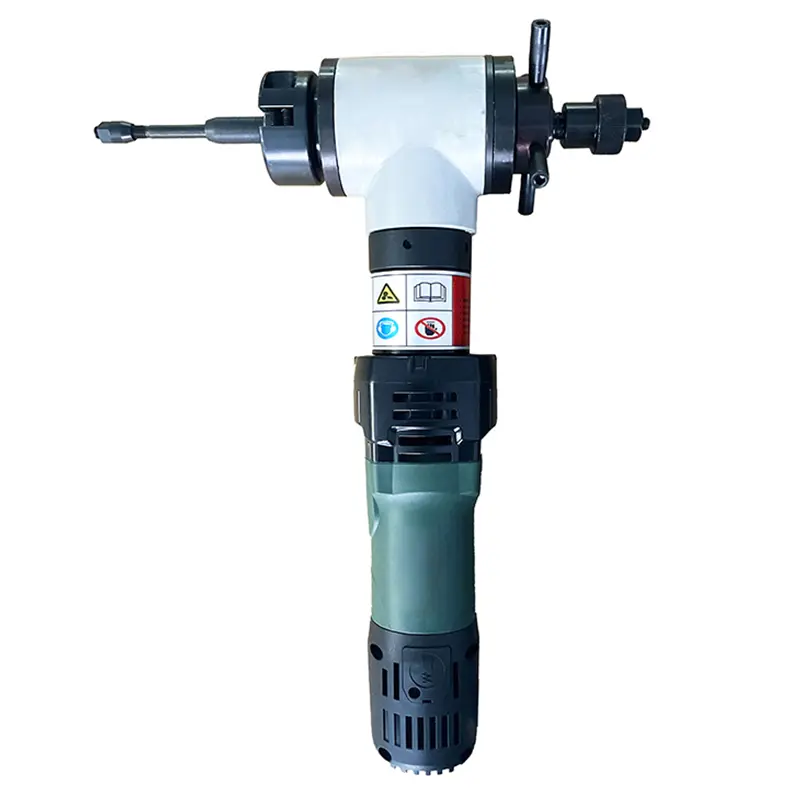
ID-Mount (Internal Clamping) Pipe Bevelers
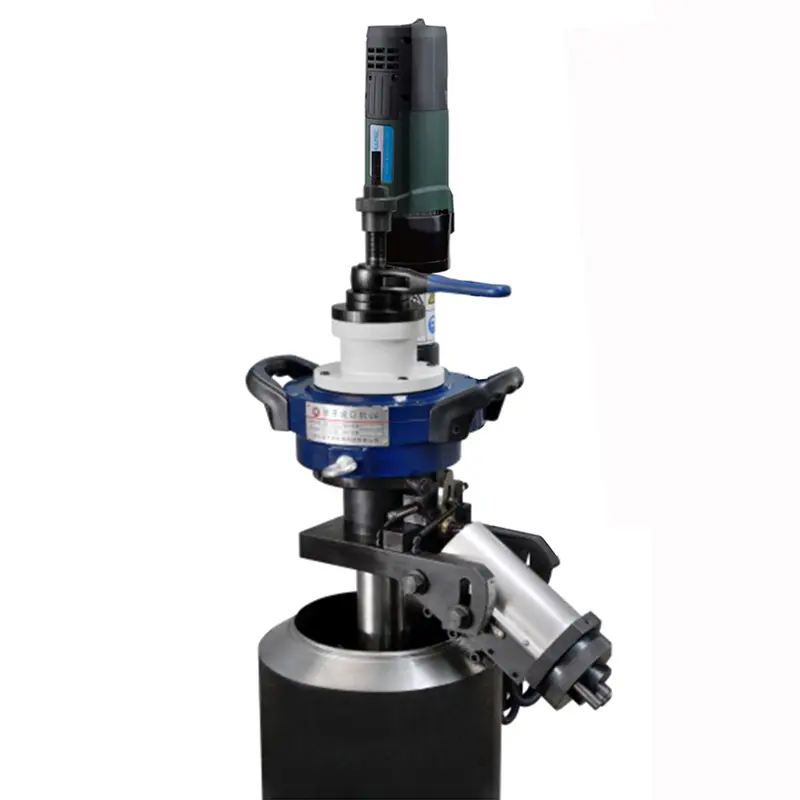
ID-mount machines expand inside the pipe bore using a mandrel or collet. They're the fastest to set up (30–60 seconds), most portable, and handle the widest range of bevel types including V-bevel, J-prep, compound bevel, and counterboring. Best for pipes from 1" to 24" where the bore is accessible. Our ISE T-Model and ISE II-Model are designed for this application.
OD-Mount (External Clamping) Pipe Bevelers
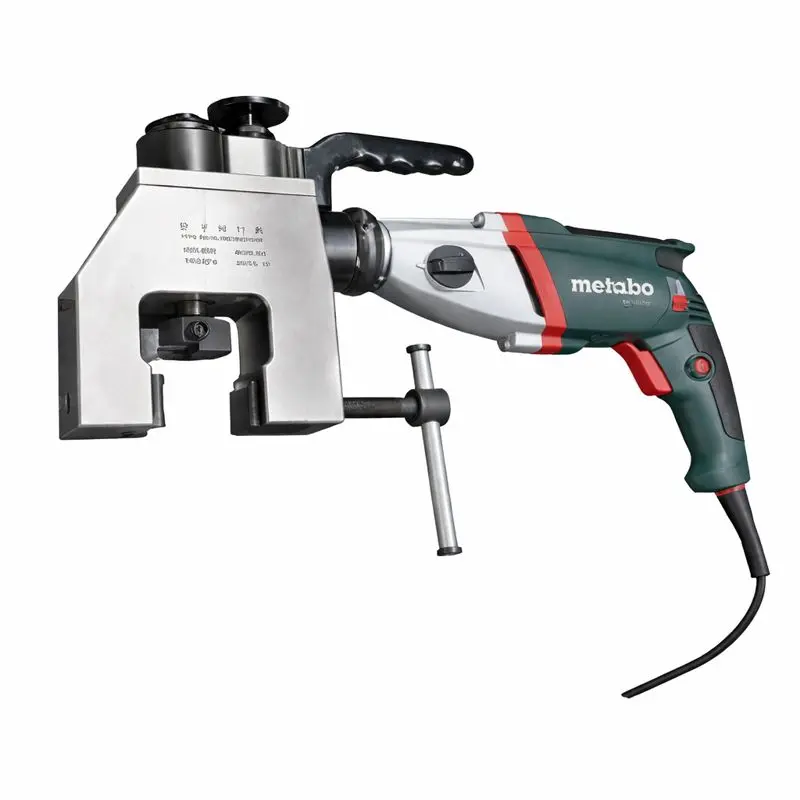
OD-mount machines clamp around the outside of the pipe using blocks, chucks, or cam mechanisms. They're the right choice when bore access is blocked by flanges, fittings, or when working on installed piping. The ISC Block Type and SOC Chuck Type cover small-to-medium pipes with self-centering precision.
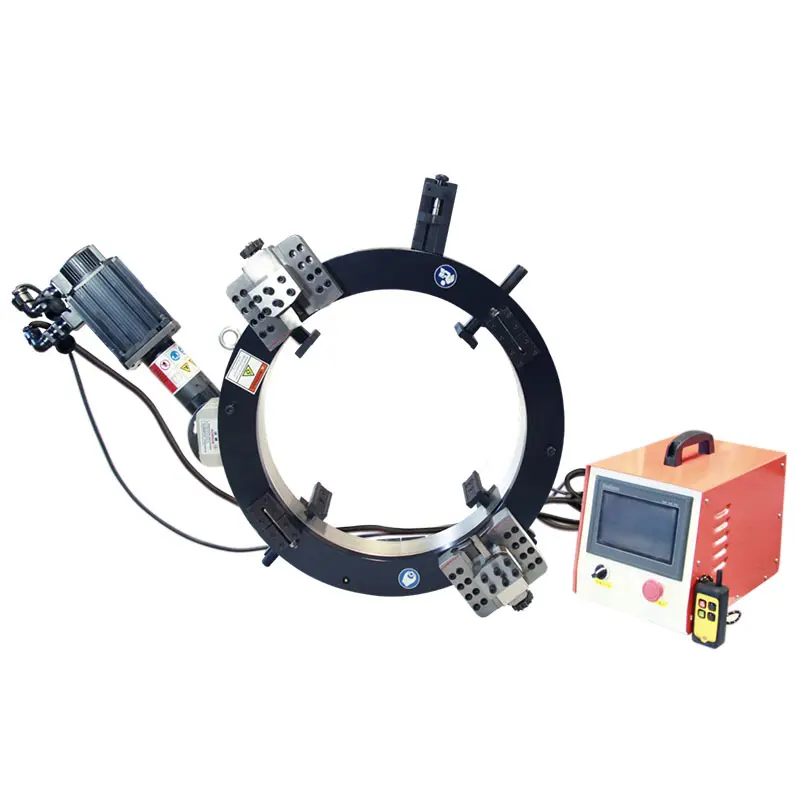
Split Frame (Clamshell) Beveling Machines
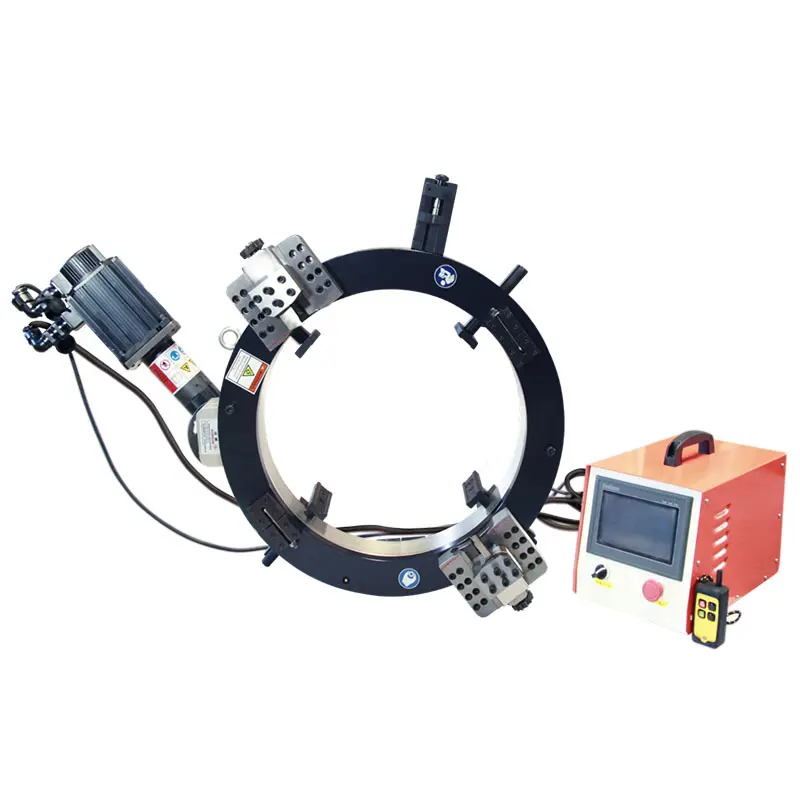
Split frame machines wrap around a pipe in two halves and can bevel, cut, and counterbore in a single setup — without removing the pipe from service. Essential for pipeline maintenance, offshore platforms, and any situation where the pipe cannot be taken to a workshop. They handle large diameters (6" to 60"+) and heavy walls.
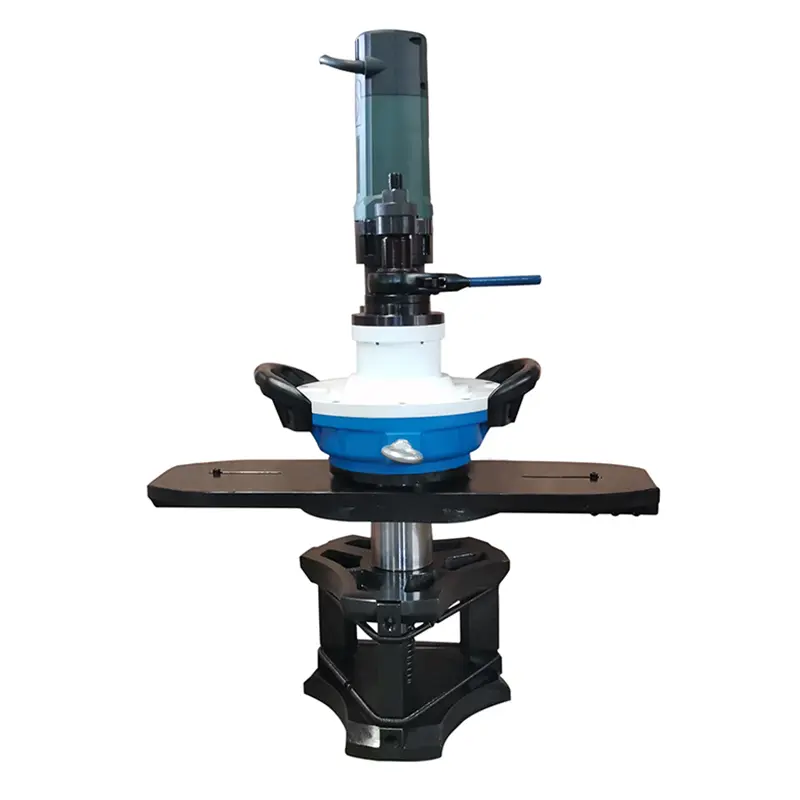
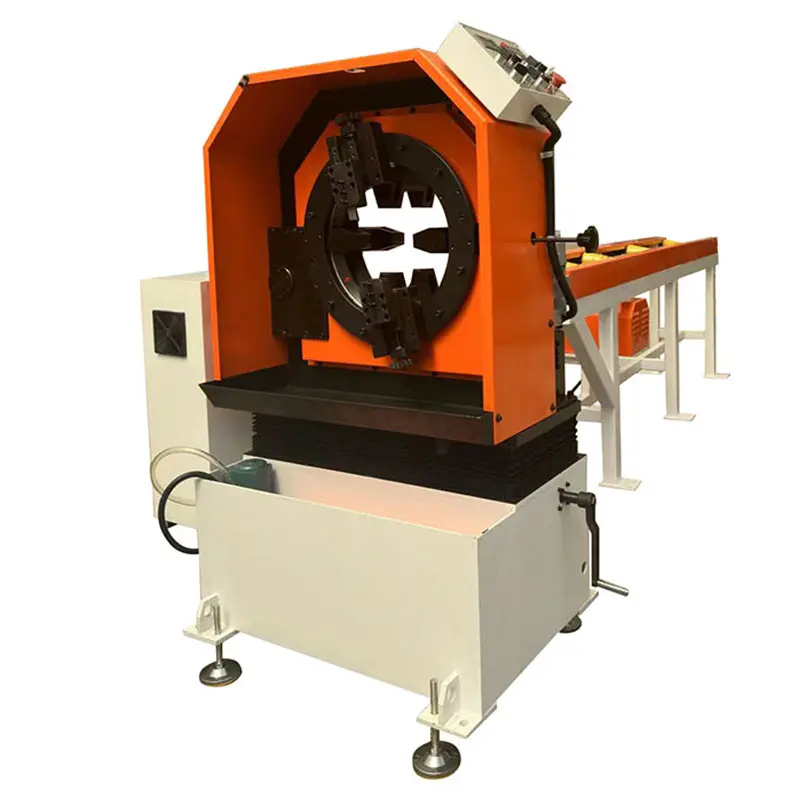
Stationary Pipe Beveling Machines
Stationary machines are workshop-mounted systems designed for high-volume production. They offer the highest precision, fastest cycle times, and can handle the thickest walls. If you're beveling 20+ pipes per day in a fabrication shop, stationary is the most cost-effective option.
Key Selection Factors
When selecting a pipe beveling machine, these four factors determine the right fit:
- Pipe diameter range — Each machine covers a specific size range. Oversizing wastes money; undersizing limits your capability.
- Wall thickness — Heavy wall (>15 mm) requires machines with higher torque and compound bevel capability.
- Field vs. workshop — Portability matters for field work; speed and rigidity matter for production.
- Bevel type required — Simple V-bevel is universal, but J-prep, compound bevel, and counterboring require specific machine capabilities.