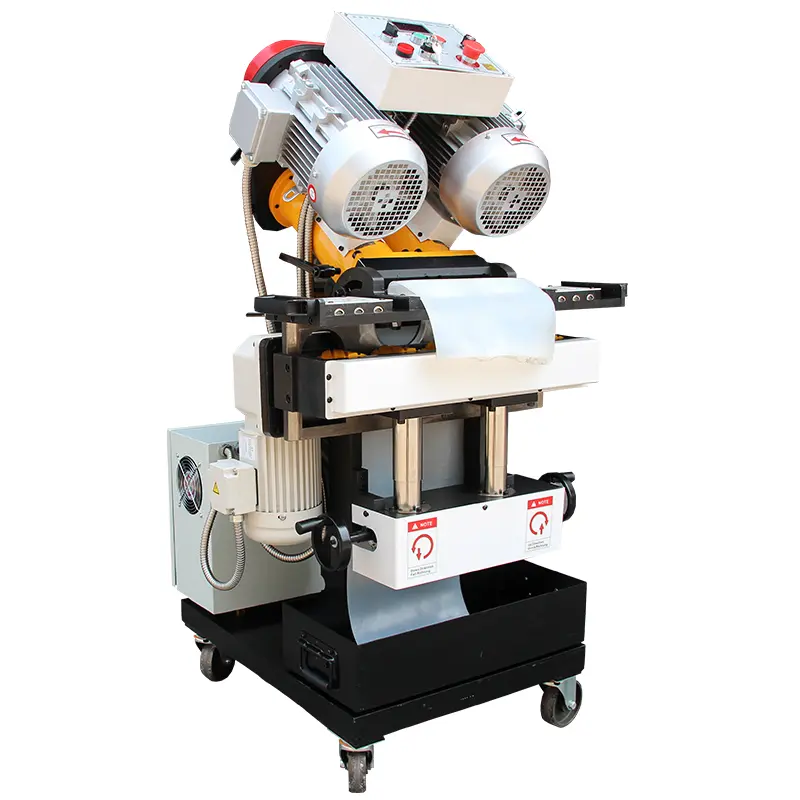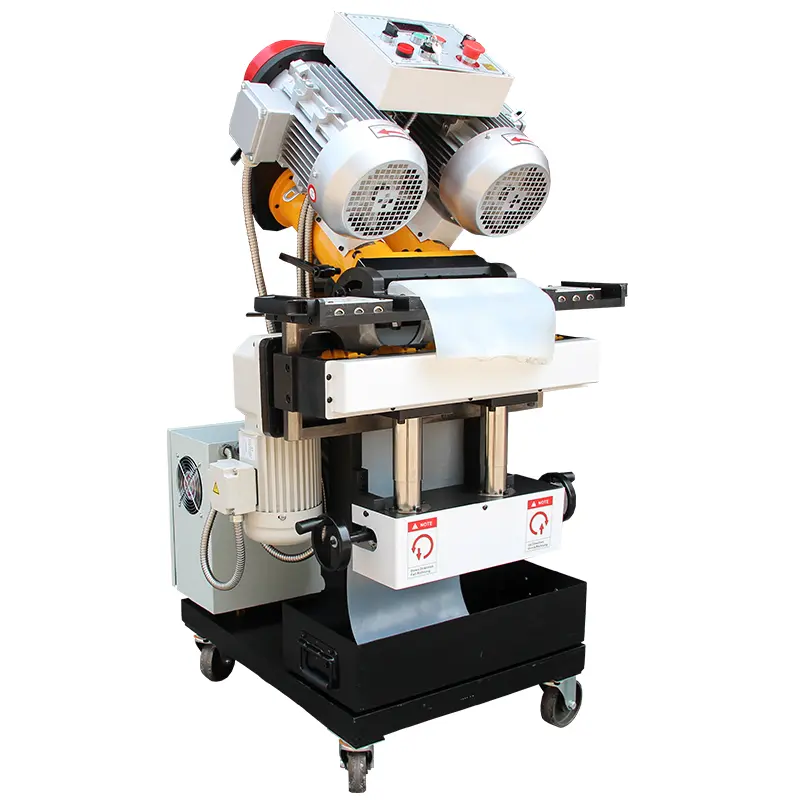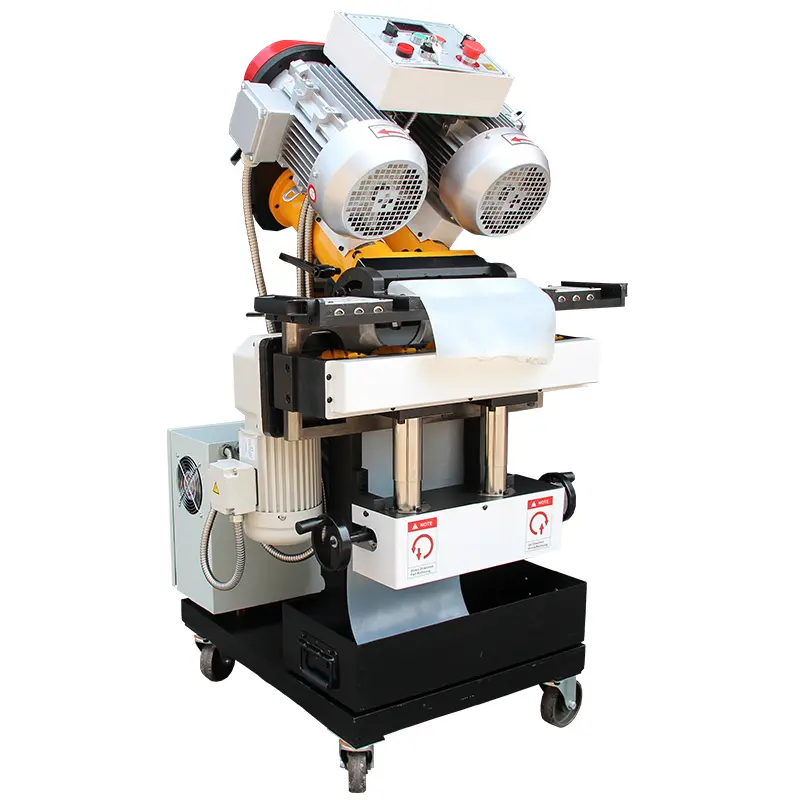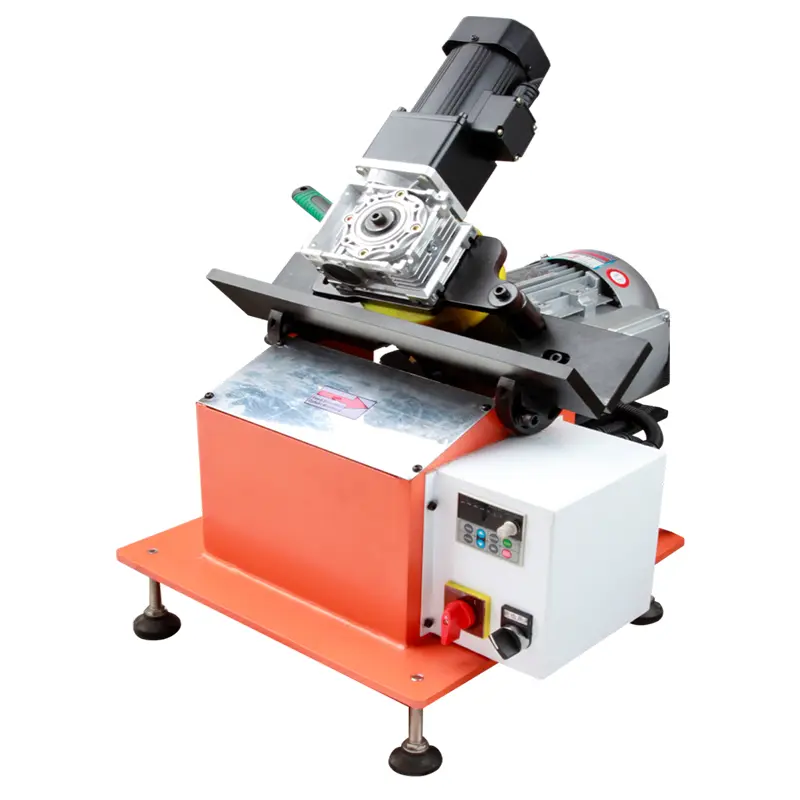
What Is a Plate Beveling Machine?
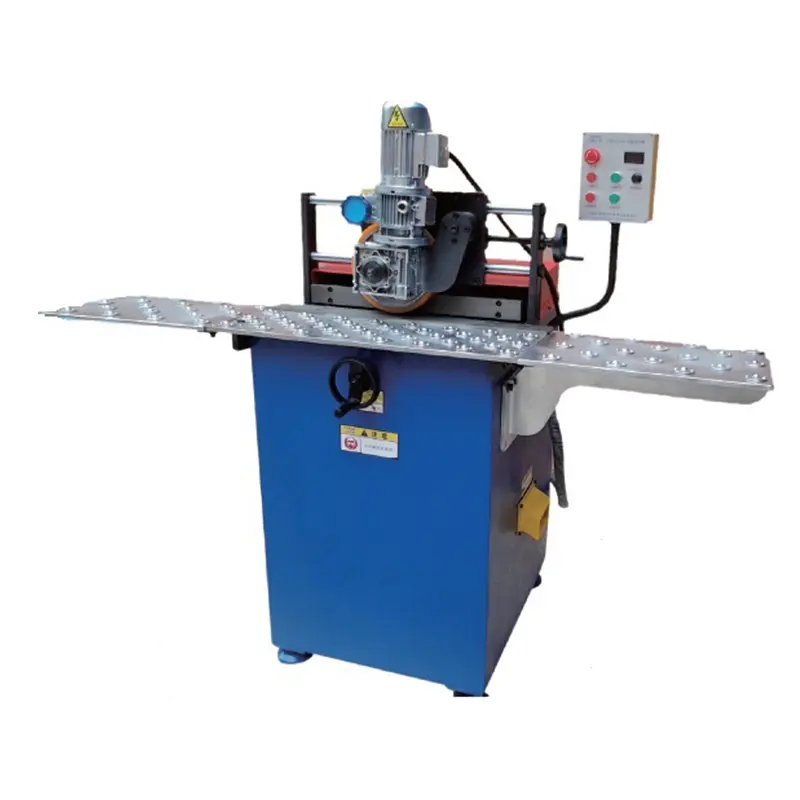
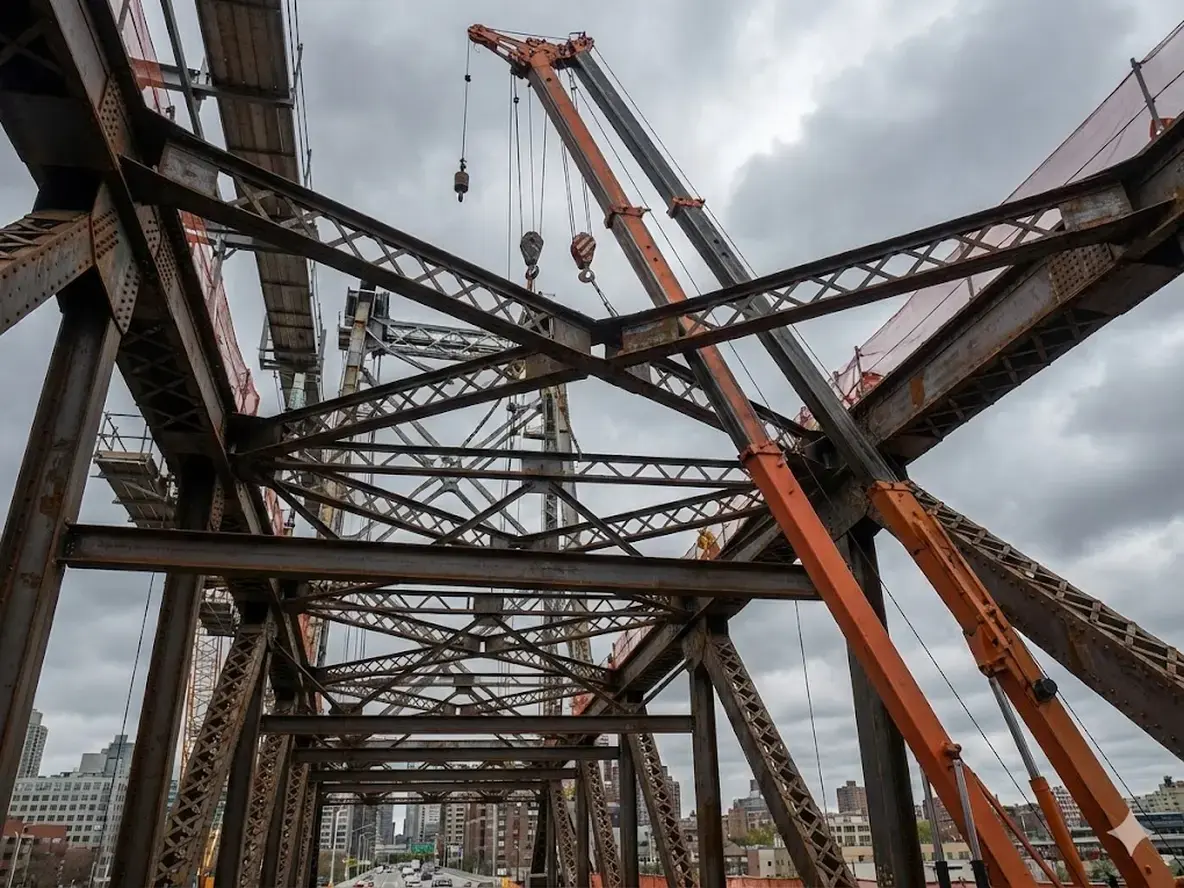
A plate beveling machine prepares steel plate edges for welding by milling or shearing a precise angled cut along the edge. Proper edge preparation is required by welding codes like AWS D1.1 (structural steel), EN 1090 (European steel construction), and ASME Section VIII (pressure vessels) — and plate beveling machines are the only reliable way to achieve consistent, code-quality bevels on long plate edges.
Compared to flame cutting or angle grinding, machine beveling produces superior surface finish, tighter angle tolerances, and no heat-affected zone — critical for materials like stainless steel, duplex, and high-strength structural grades.
Types of Plate Beveling Machines
Handheld Plate Bevelers
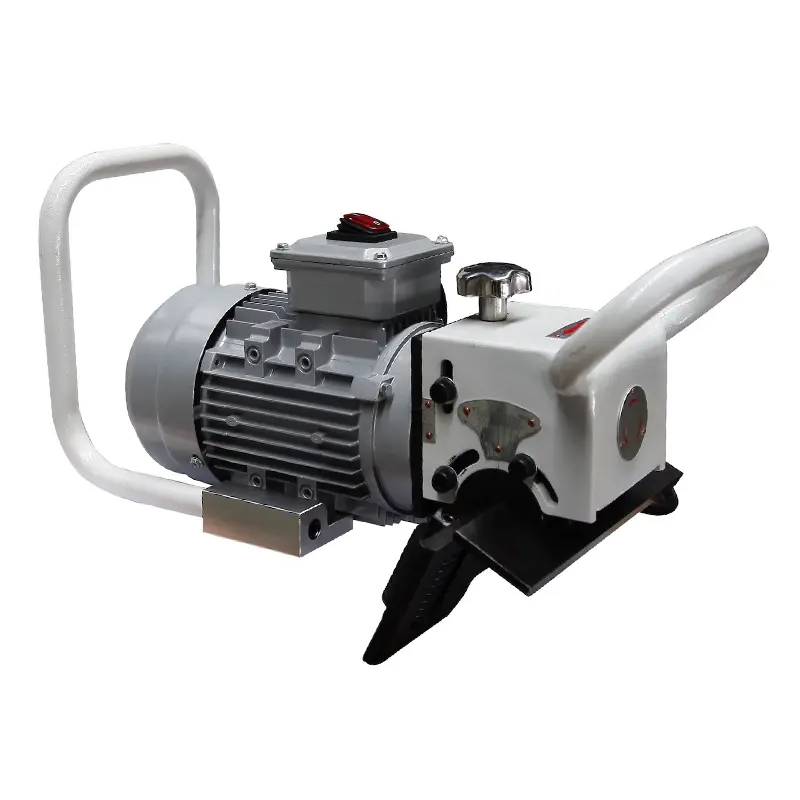
Handheld plate bevelers are lightweight, portable tools for field work and short edges. They handle plates up to 16 mm and are ideal for curved edges, small sections, and tight spaces where larger machines can't reach. Best for maintenance, repair, and low-volume fabrication.
Portable Milling Plate Bevelers
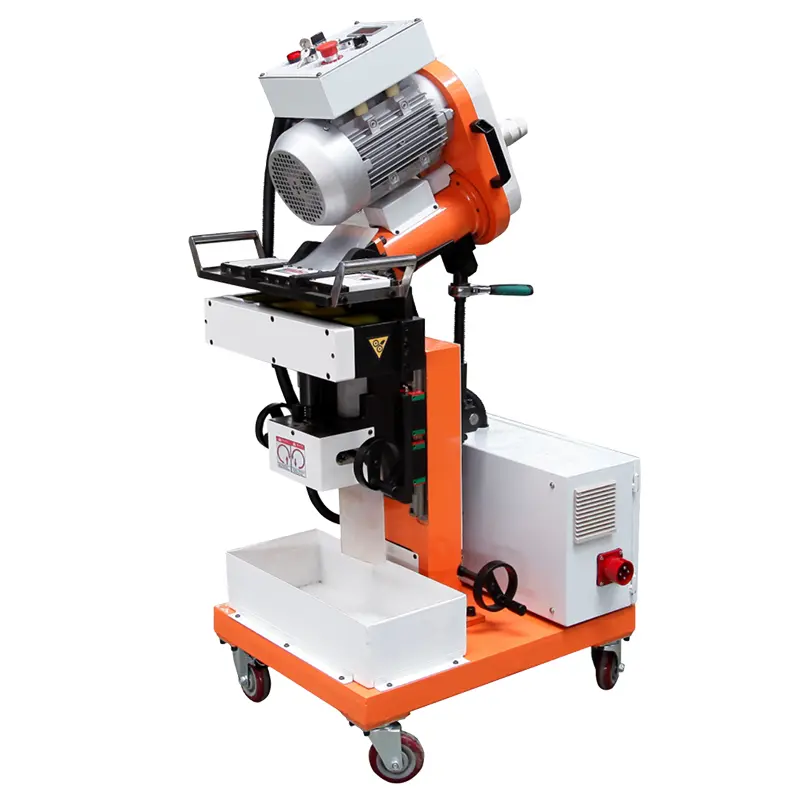
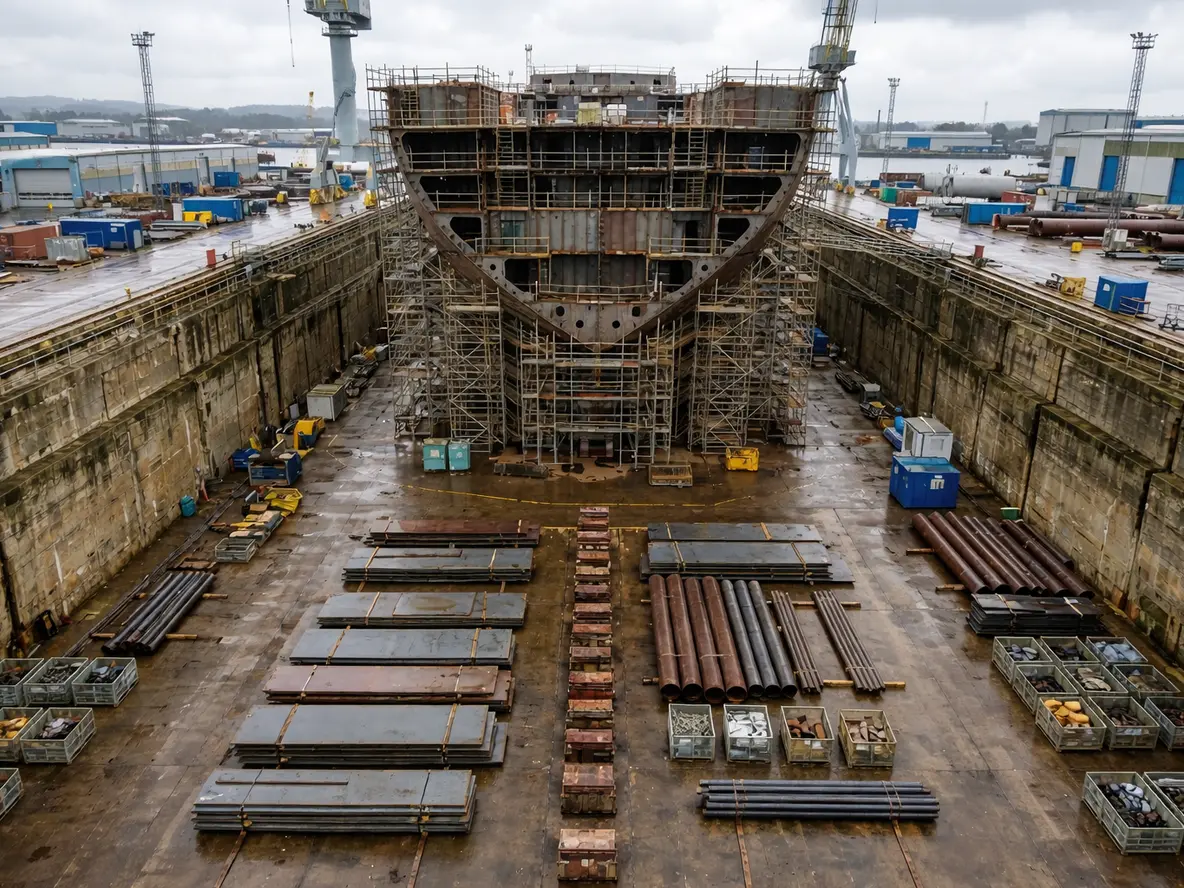
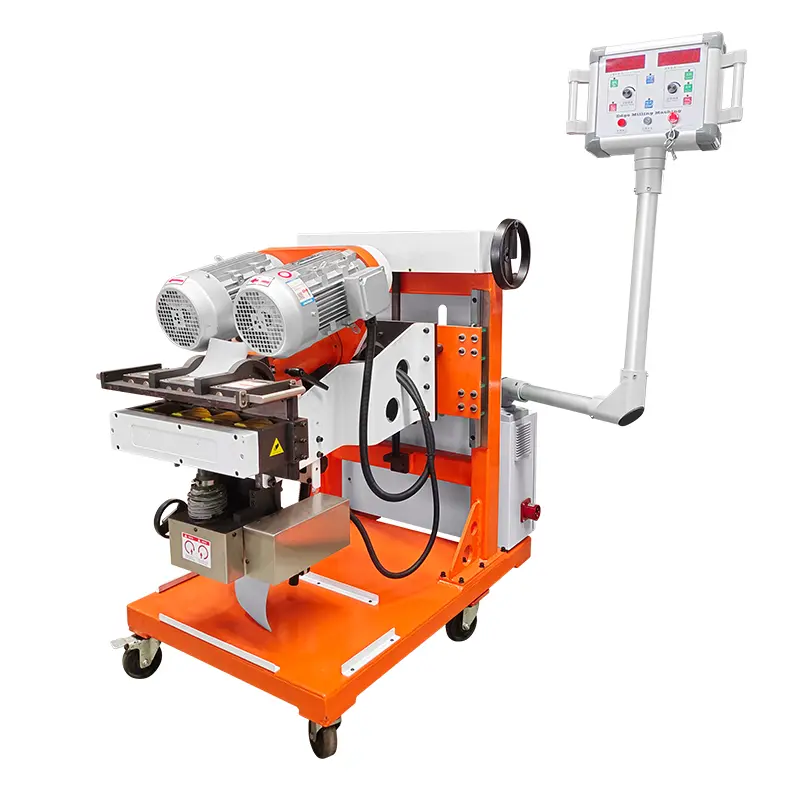
Self-propelled portable milling machines ride along the plate edge on a track or guide, producing smooth milled bevels at consistent feed rates. They handle plates from 3–25 mm and are the workhorse of structural steel and shipbuilding fabrication.
Heavy-Duty Traveling Milling Machines
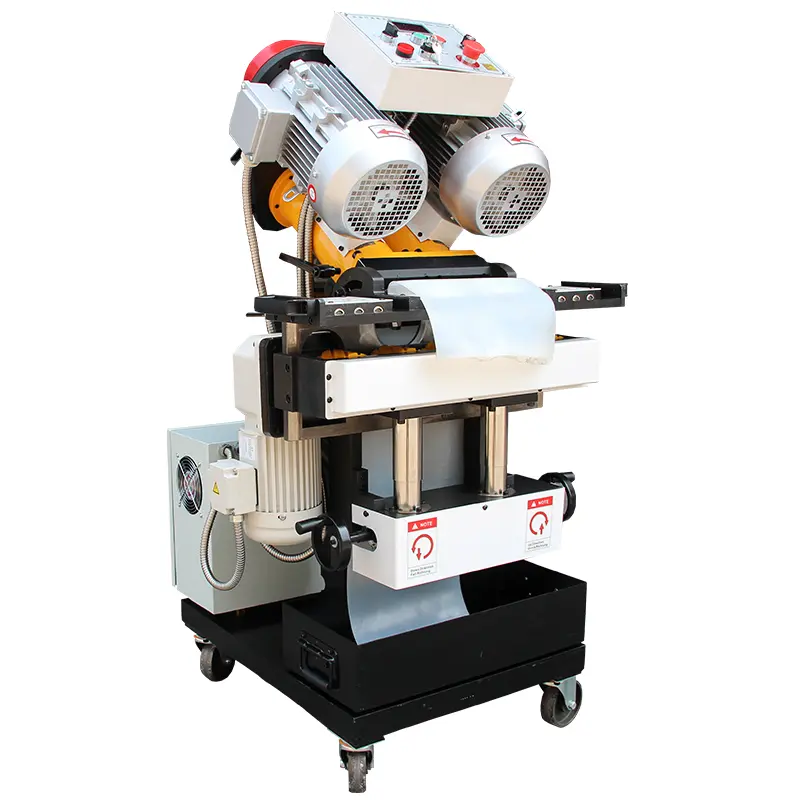
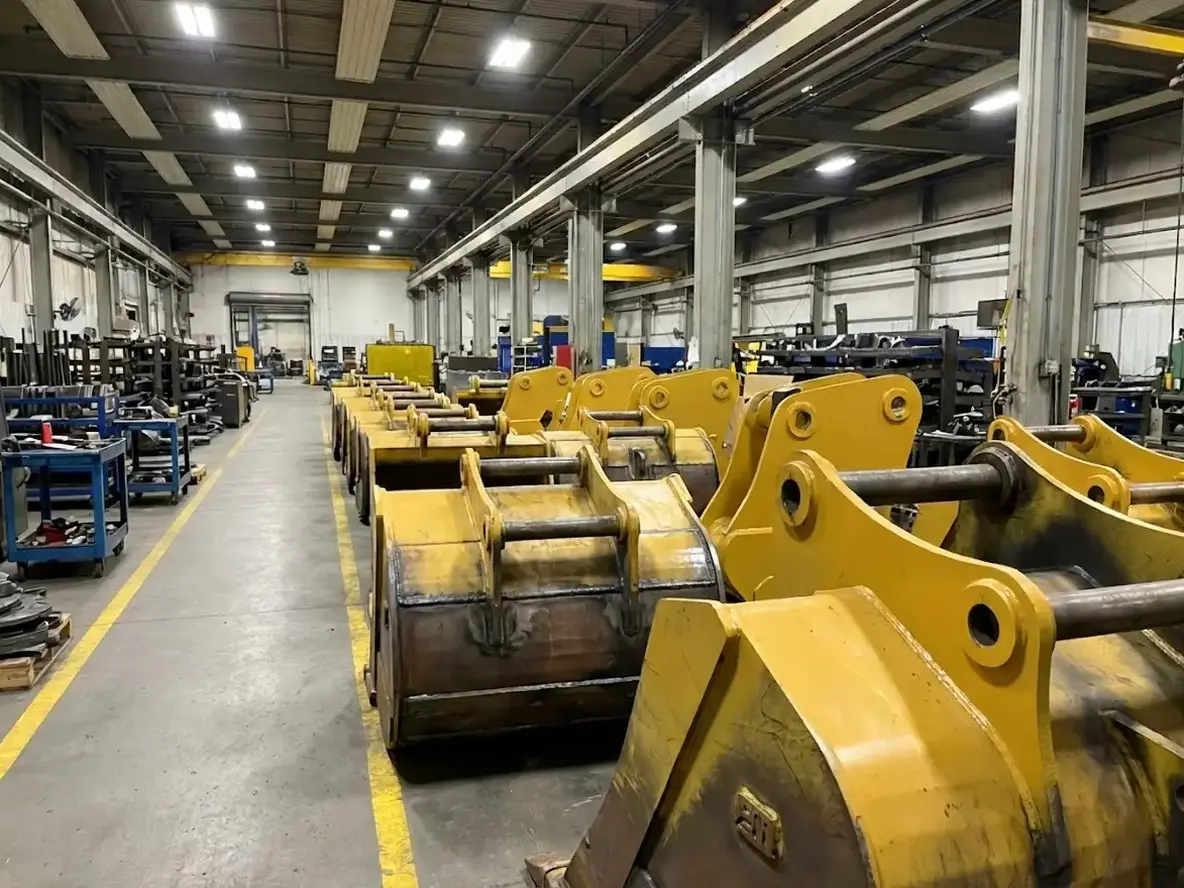
The DMM series and DMM-900X dual spindle machines handle heavy plates up to 60–80 mm. Designed for pressure vessel fabrication, heavy steel construction, and high-volume production environments. The DMM-1232 can bevel both sides of a plate simultaneously.
Rolling Shear Bevelers
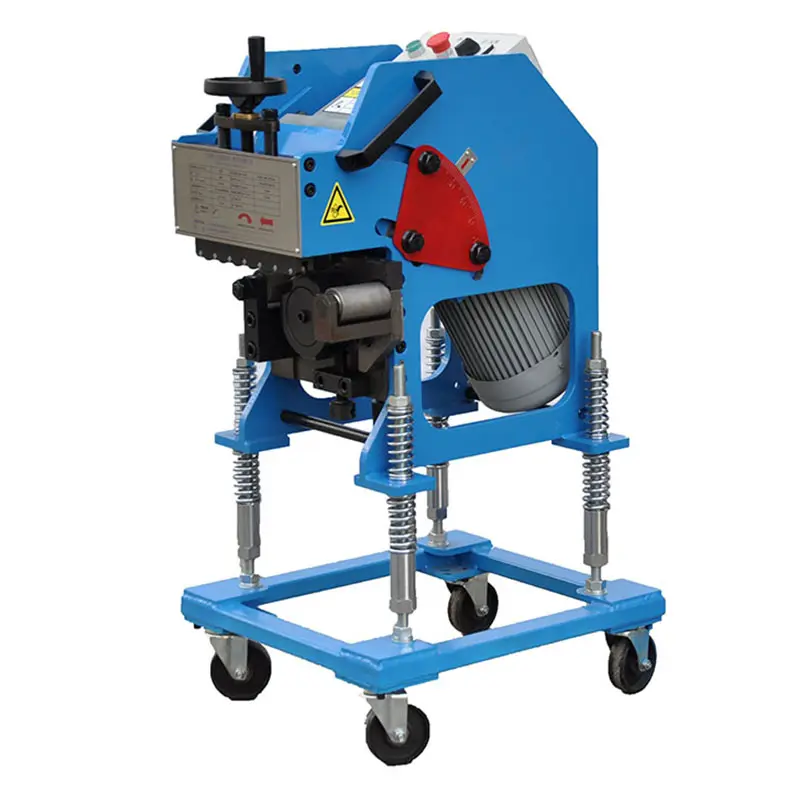
Rolling shear machines use hardened rollers to cold-form the plate edge into a bevel. They're 2–3x faster than milling machines but produce a rougher surface. Best for general fabrication where code-quality surface finish is not required.
Plate Cold Bevelling: Why It Matters
All milling-type plate beveling machines perform plate cold bevelling — mechanically removing metal at the plate edge without generating significant heat. This is the opposite of flame-cut or plasma-cut bevels, which create a heat-affected zone (HAZ) and oxide layer that must be ground away before welding.
Cold bevelling is critical for:
- Stainless steel and duplex plates — Heat from thermal cutting causes carbide precipitation and sensitization, leading to intergranular corrosion in service.
- High-strength structural steel — HAZ from flame cutting can reduce impact toughness below the minimum required by EN 1090 or AWS D1.5.
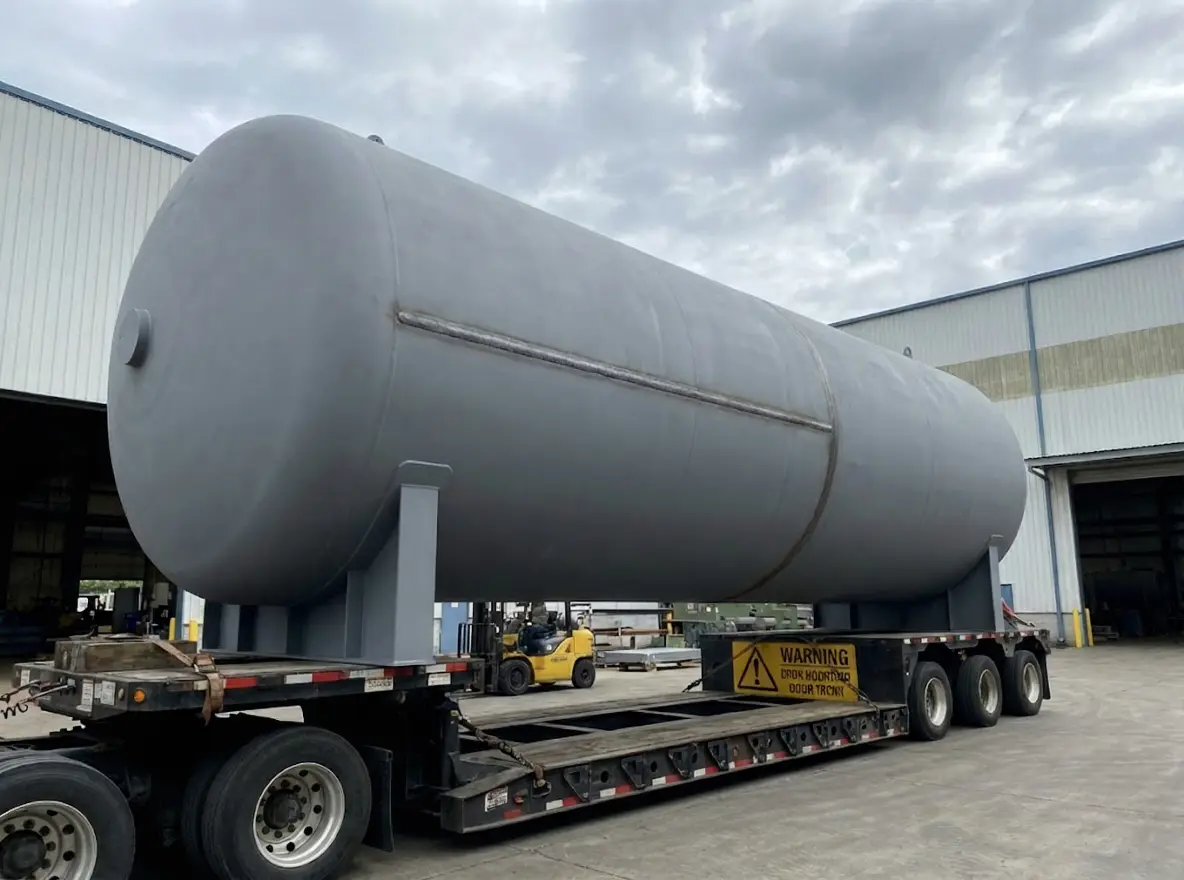
- Pressure vessel plates (ASME VIII) — Code requires that thermally-cut edges be machined back to clean metal. Cold bevelling eliminates this extra step entirely.
- Environments restricting hot work — Shipyards, offshore platforms, and chemical plants often require cold methods to avoid fire hazards.
Kedes portable plate cold bevelling machines and the DMM heavy-duty series produce weld-ready edges on plates up to 80 mm thick — no grinding, no HAZ, no sparks.
Milling vs Rolling Shear: Which Do You Need?
This is the most common question buyers face. The answer depends on your weld inspection requirements:
- Milling — Smooth, machined surface. Required for pressure vessels (ASME VIII), structural steel under inspection (AWS D1.1), and any application where surface finish affects weld quality. Slower but code-compliant.
- Rolling shear — Faster throughput, lower cost per meter. Acceptable for general fabrication, non-inspected welds, and applications where the bevel surface will be ground before welding.
For a detailed comparison, see our Milling vs Rolling Shear Guide.