What Is Pipe Cold Cutting?
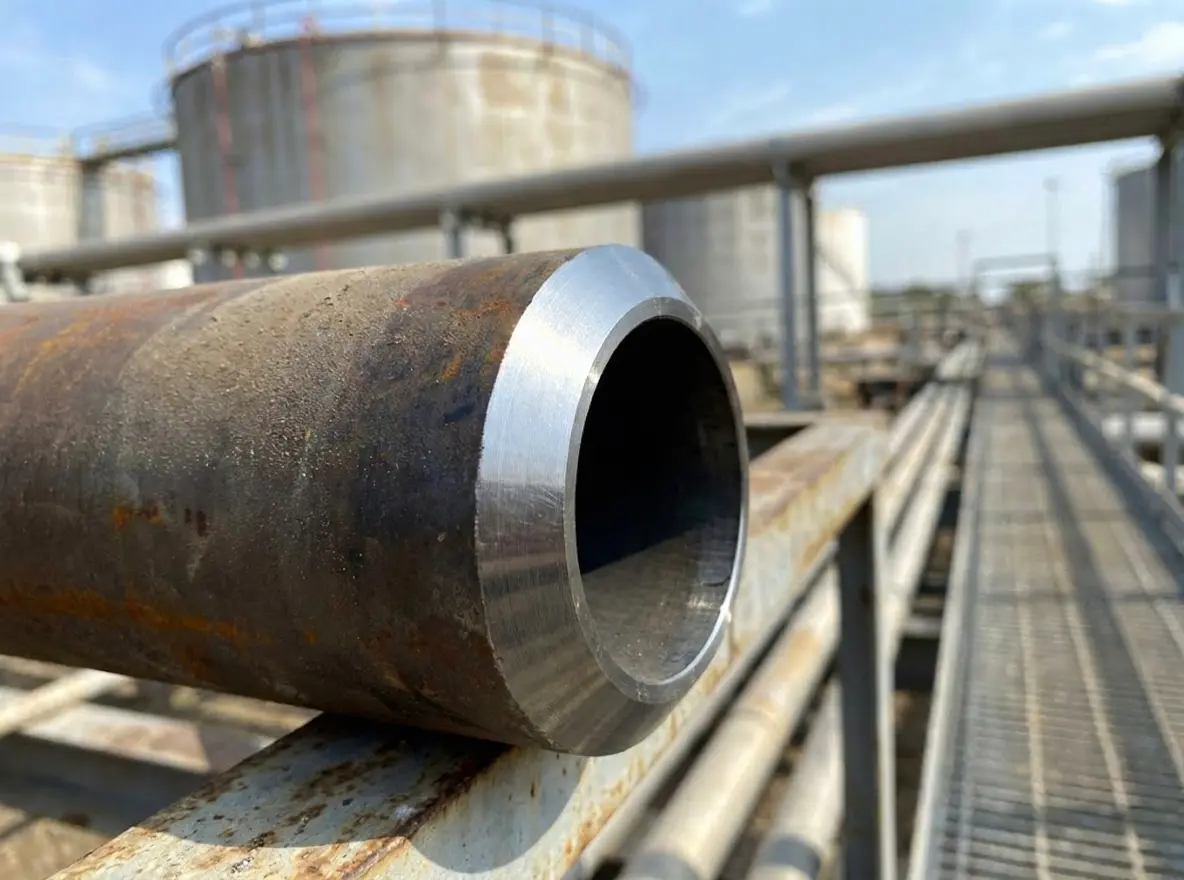
Pipe cold cutting is the process of severing a pipe using mechanical cutting tools — carbide or HSS inserts that machine through the pipe wall without generating significant heat. Unlike torch cutting (oxy-fuel, plasma), cold cutting produces no heat-affected zone (HAZ), no sparks, and no oxide contamination.
This matters because welding codes like ASME B31.3, ASME B31.1, and API 1104 require that thermally-cut surfaces be ground back to clean metal before welding. Cold cutting eliminates this step entirely — the cut surface is ready for welding or beveling immediately.
Cold Cutting vs Thermal Cutting
The choice between cold and thermal cutting depends on material, environment, and code requirements:
- No HAZ — Cold cutting preserves material properties. Essential for alloy steels (P91, P22, duplex, Inconel) where thermal damage causes cracking or corrosion susceptibility.
- No sparks or flame — Safe for refineries, chemical plants, offshore platforms, and any environment where hot work permits are restricted.
- Simultaneous cut and bevel — Most cold cutting machines can bevel the pipe during the cut, eliminating a separate prep step.
- Weld-ready surface — Machine-cut surface finish meets code requirements without grinding.
For a detailed comparison, see our Cold Cutting vs Thermal Cutting Guide.
Types of Pipe Cold Cutting Machines
Clamshell (Split Frame) Pipe Cutters
Split frame clamshell machines wrap around an installed pipe in two halves, then rotate a cutting tool around the circumference. They're the standard tool for in-situ pipeline cutting where the pipe cannot be removed — used extensively in refinery turnarounds, pipeline tie-ins, and offshore maintenance.
Planetary Pipe Cutting Machines
Planetary cutting systems mount on a ring that orbits the pipe, using one or more cutting tools. They handle large diameter pipes and heavy walls, and can produce precise square cuts and bevels simultaneously. The orbital design ensures consistent cutting force around the full circumference.