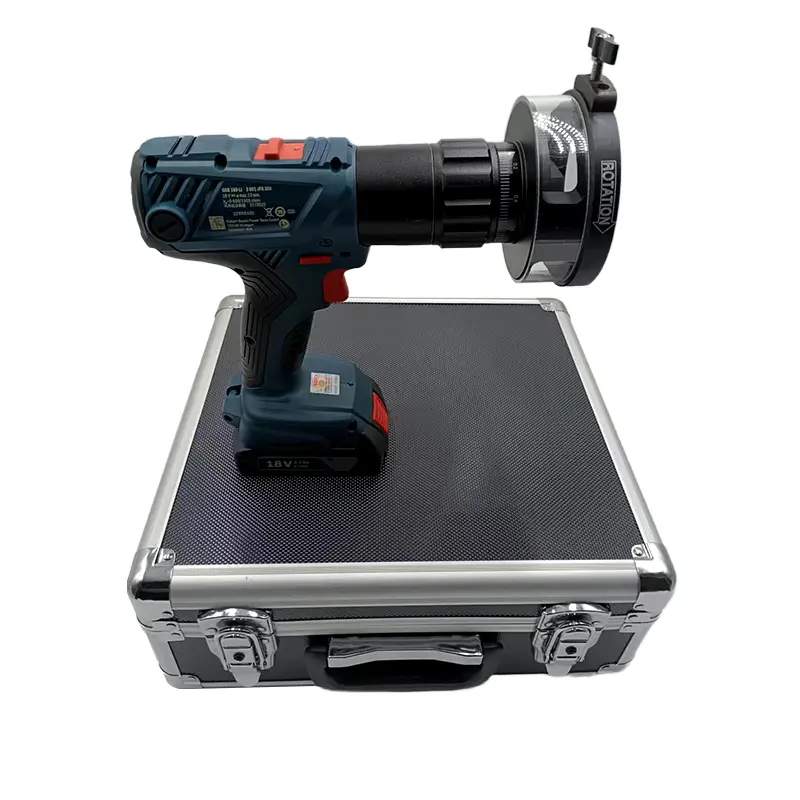
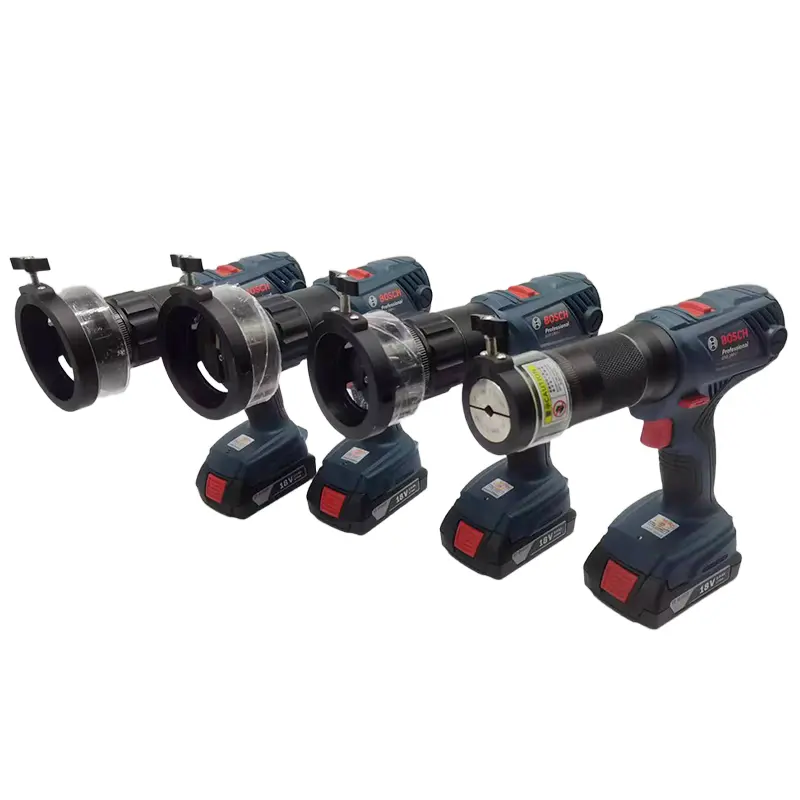
What Is Pipe End Facing?
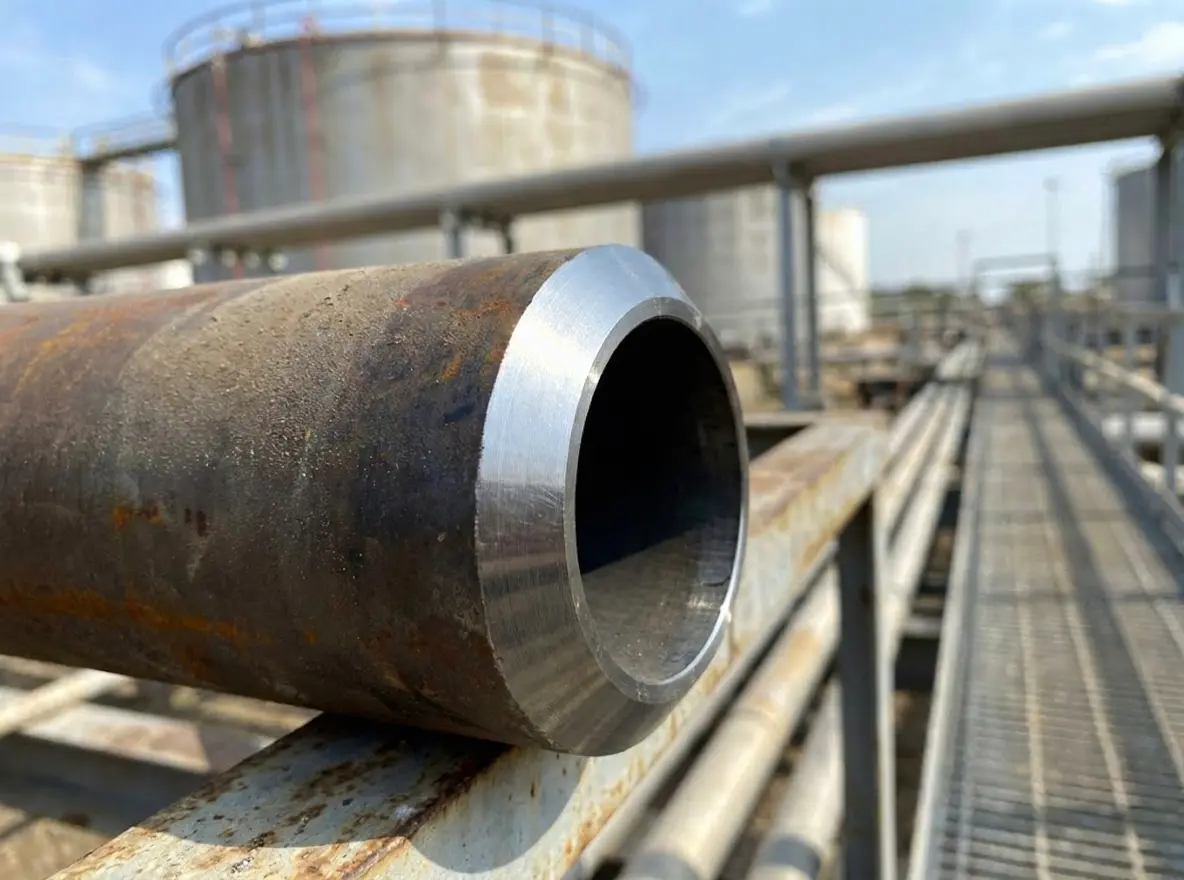
Pipe end facing is the process of machining a perfectly flat, perpendicular surface on the end of a pipe. While beveling prepares the pipe for manual welding, facing prepares it for orbital (automated) welding — where the weld head travels automatically around the joint and requires near-perfect fit-up to produce consistent results.
End facing is also required for flange gasket faces, sanitary tube connections (ASME BPE), and any application where two pipe ends must meet with zero or near-zero gap around the full circumference.
Why Pipe Facing Matters
In orbital welding, the arc travels a fixed path at constant speed. Any variation in gap, mismatch, or surface unevenness causes:
- Incomplete fusion — Where the gap is too wide, the arc can't bridge it consistently
- Burn-through — Where the wall is thinner due to uneven facing
- Arc wander — Inconsistent root gap causes the weld pool to shift unpredictably
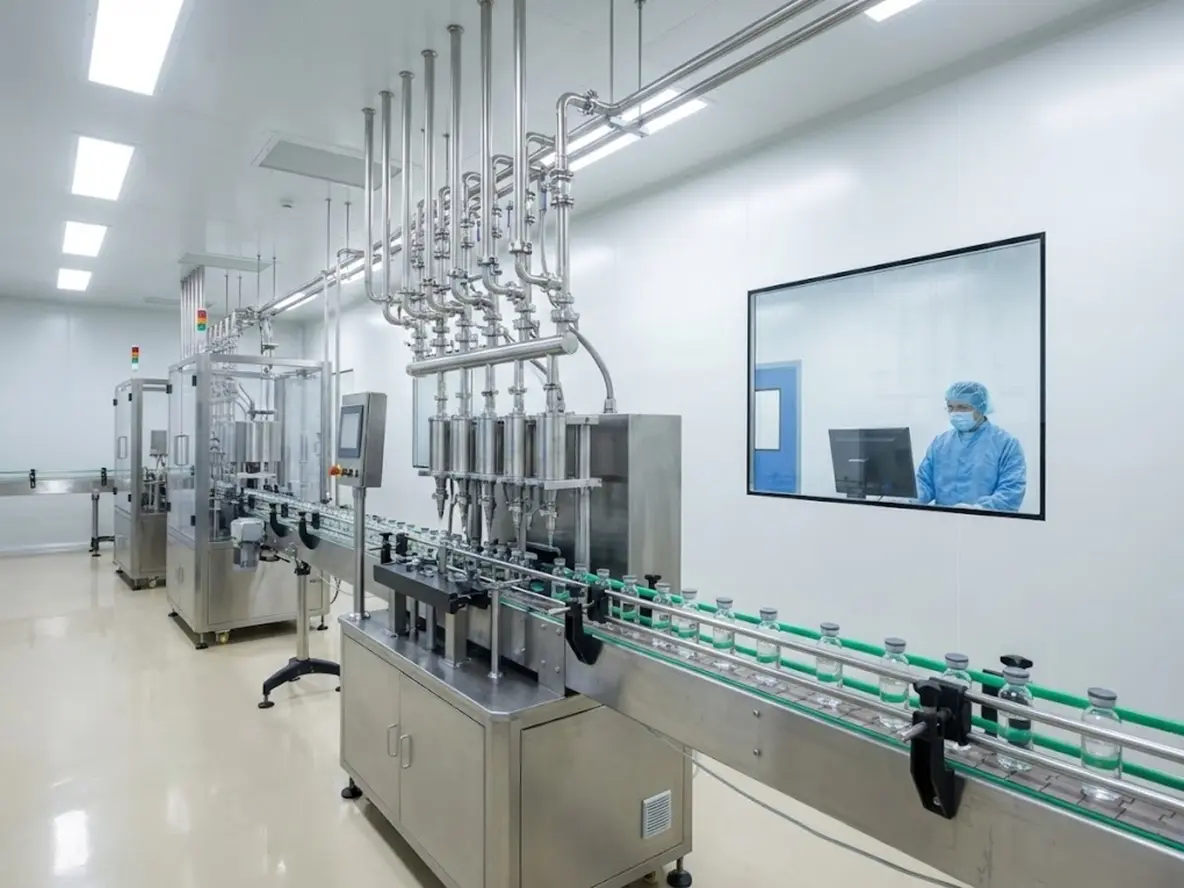
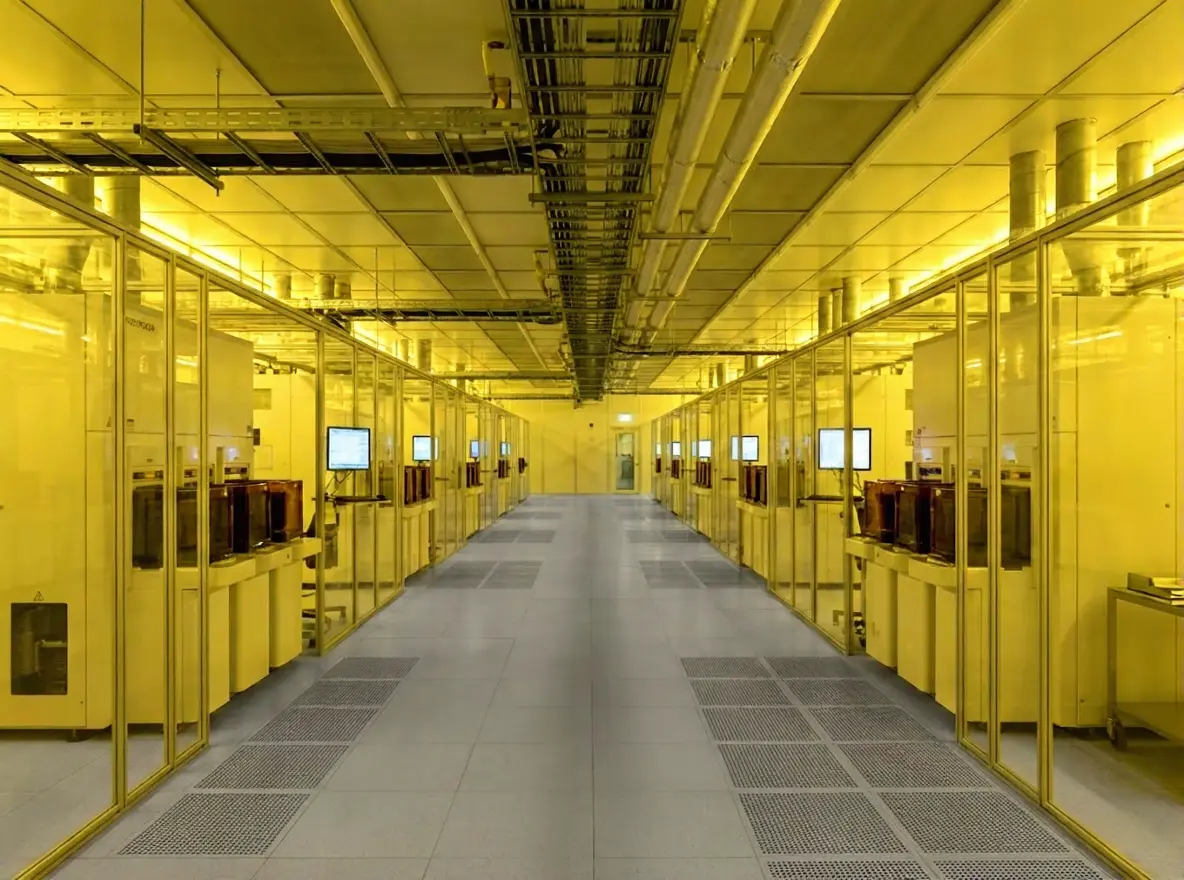
Machine facing eliminates these problems by producing end faces that are flat within 0.05 mm and perpendicular to the pipe axis. This is especially critical in semiconductor fabrication and pharmaceutical manufacturing, where weld quality directly affects product purity.
Facing vs Beveling: When Do You Need Each?
Facing creates a flat end for orbital welding, gasket sealing, or butt-joint fit-up. Beveling creates an angled groove for manual or semi-automatic butt welding with filler metal. Many Kedes machines accept both facing and beveling tools — allowing complete end preparation in a single setup, which is particularly valuable for the LPM pipe facing series.